When a Repair Bill Becomes a Bad Bet: A Blunt Guide to Fix or Scrap
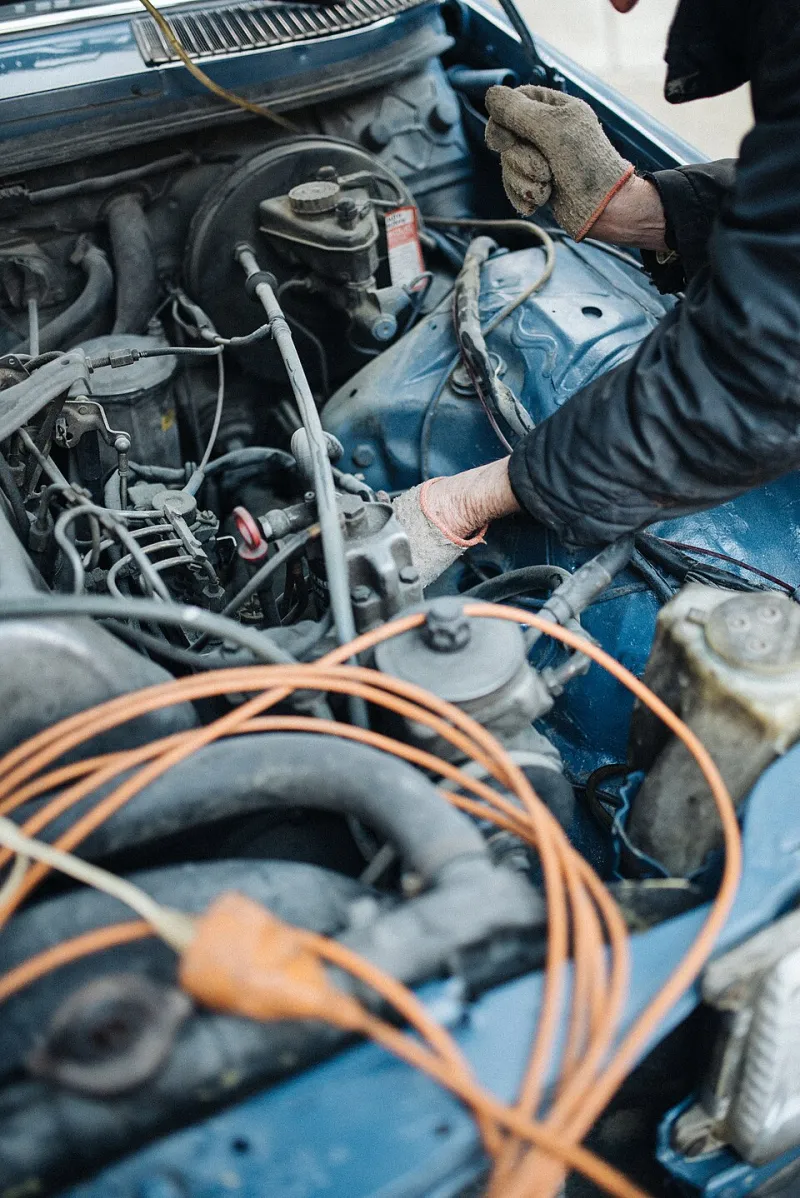
Photo: Shixart1985, CC BY 2.0, via Wikimedia Commons
Nobody enjoys the moment a mechanic walks over with a clipboard and a face that says sit down. You came in for a squeak. You are leaving with a quote that has a comma in it. The question is not whether the repair is expensive. The question is whether the car is still worth spending that money on.
The rule of thumb, and where it falls down
You have probably heard the old line: if the repair costs more than the car is worth, scrap it. It is a decent starting point. If your £1,200 hatchback needs £1,500 of welding, brakes and suspension, the maths is not on your side. You are effectively buying the car again, and you still have a car with the same age, mileage and rust.
But it is only a starting point. The rule treats a car like a spreadsheet. Cars are not spreadsheets. They are transport, sometimes a lifeline, occasionally a financial trap, and often a deeply irrational attachment. A garage that just says scrap it based on a book value is not giving you advice. It is giving you a calculation.
The advisories that whisper start planning
MOT advisories are the quiet early warning system. A single slight advisory for a worn tyre or a misted shock absorber is not a crisis. A cluster of advisories is a different story. When you see corrosion mentioned near suspension mounts, seat belt anchors, sills or subframes, pay attention. When brake pipes are described as corroded, or there are repeated advisories for the same component year after year, the car is telling you something.
The pattern matters more than the wording. One advisory is maintenance. Five advisories across brakes, suspension, structure and steering is a car that has stopped ageing gracefully. It is not necessarily unsafe today, but it is heading towards a bill that will make you wince. If the same advisory has been noted three MOTs running and nobody has fixed it, you are not maintaining the car. You are managing its decline.
What the maths misses
The repair-versus-value rule ignores several things that matter in real life.
First, safety. A cheap car that needs new brake lines and tyres is not a bargain if you are driving your family in it. Some repairs are not about value. They are about whether the car stops when you press the pedal.
Second, finance. If the car is on a finance agreement, you cannot simply scrap it and walk away. You need to talk to the lender. There may be a settlement figure, early termination rules or options you have not considered. Do not let a garage scrap a financed car without checking.
Third, parts availability. A common model with cheap pattern parts is a different proposition from an obscure import with a three-week wait for a headlight. Sometimes the repair is reasonable but the inconvenience is not.
Fourth, how long you plan to keep the car. If you were going to sell it next month, a big repair is hard to justify. If you were planning to run it into the ground for another four years, spending £900 now might be cheaper than a year of car payments. The value of the car is not the same as the value of keeping it.
Fifth, the rest of the car. A £1,000 repair on a car with a strong engine, a clean body and a fresh MOT is a different bet from the same repair on a car with a slipping clutch, a leaking sunroof and a warning light that nobody can explain. You are not just buying the repair. You are buying the next twelve months of the whole car.
A simple decision framework
Before you agree to a big bill, ask these questions.
- What is the car actually worth? Check a real valuation, not the price you paid. Be honest about condition and mileage. A trade-in quote and a private sale estimate are both useful.
- What is the repair cost as a percentage of that value? If it is more than half, slow down. If it is more than the value, you need a very good reason to proceed.
- Is the repair safety-critical? Brakes, steering, suspension, tyres and structural corrosion are not optional. If the car is unsafe, it should not be on the road.
- Are there other big bills coming? Ask the garage to look beyond the immediate failure. A clutch, timing belt, turbo or gearbox on the horizon changes the maths completely.
- How long do you need the car to last? If the answer is six months, repair only what is needed to keep it legal and safe. If the answer is three years, a bigger repair can make sense.
- Can you afford the repair without borrowing at a painful rate? If the repair pushes you into expensive credit, the true cost is higher than the quote.
- What is the alternative? A replacement car at the same price may have its own problems. Do not compare a repaired car with a perfect imaginary one. Compare it with what you can actually buy for your budget.
Before you sign
Ask for the quote in writing. Ask which items are MOT failures and which are recommendations. Ask what happens if the garage finds more once it is in pieces. A good garage will not pressure you into a decision on the spot, and it will not be offended if you take the quote away to think about it.
If the car is on its last legs, get a second opinion. Not because the first garage is lying, but because a big bill deserves a clear head. If the second opinion agrees, you have your answer. If it does not, you have saved yourself a lot of money.
The blunt truth is this: a car is a machine, and machines wear out. There is no shame in scrapping a car that has given you good service. There is also no shame in spending money on a car you like and trust. The mistake is doing either one without asking the awkward questions first.