Cold Snap, No Start: A Five-Minute Battery Routine for November Mornings

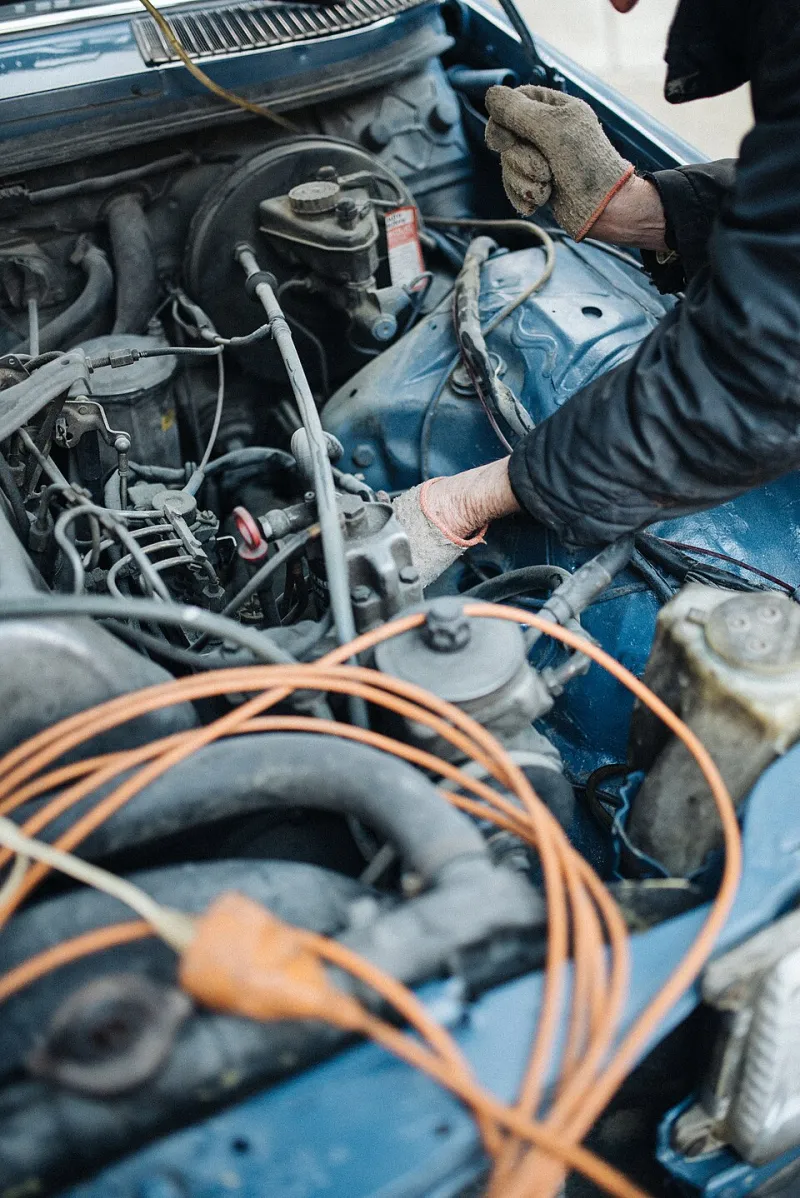
Photo: Tony Webster from Minneapolis, Minnesota, United States, CC BY 2.0, via Wikimedia Commons
November 2026 has arrived with dark mornings, damp windscreens, and that first proper frost. This is the time of year when a battery that has been quietly coping all summer suddenly starts making excuses. You turn the key, hear a lazy groan, and realise the morning is about to get complicated.
A five-minute check now can save you a miserable Monday. No scare tactics, no suggestion that your car is about to dissolve. Just a simple routine you can do on the driveway before the battery decides to retire without notice.
Why cold mornings are hard on batteries
A car battery is a chemical device, and cold weather slows the chemistry down. At the same time, you are asking more of it: lights on, heater on, heated screens on, wipers doing their best. Short commutes do not give the alternator enough time to put back what the starter motor took out. Repeat that for a few weeks and a weak battery runs out of goodwill.
That is why batteries often fail on the first cold snap rather than gradually over summer. The battery has not necessarily died overnight. It has been declining quietly, and the cold has simply exposed it.
The warning signs worth noticing
You do not need to be a mechanic to spot a battery on the way out. Listen and look for these clues:
- The engine turns over more slowly than it used to, especially first thing.
- The lights dim when you crank the engine.
- You hear a rapid clicking instead of a normal start.
- The battery warning light stays on after the engine starts.
- Stop-start has stopped working, even though you have not switched it off.
- The battery looks old, swollen, or has corroded terminals.
- You have been doing lots of short trips with lights and heaters on.
One of these is not a diagnosis. Two or three together, especially as the temperature drops, is your cue to check things properly.
The five-minute driveway check
One: find the battery and look at it. Check for obvious damage, swelling, or heavy white-green corrosion around the terminals. A battery that looks physically distressed is not one to ignore.
Two: check the terminals. With the engine off, make sure the connections are tight and clean. Do not poke around with metal tools while wearing a watch or ring. If terminals are crusty, a proper clean and reconnection can make a real difference.
Three: check the age. Many batteries carry a date code or a label. If yours is four, five, or more years old and the starting is getting sluggish, replacement is often the honest answer rather than another winter of crossed fingers.
Four: watch the lights before you start. Turn the key to the position before cranking. Are the dashboard and headlights bright and steady? Now start the engine. Do they dim dramatically? That tells you the battery is working hard.
Five: listen to the crank. A healthy starter sounds brisk. A tired battery sounds like it is thinking about it. If the difference is obvious compared with a few weeks ago, pay attention.
If you have a multimeter and know how to use it safely, a resting voltage around 12.4 to 12.7 volts is a reasonable guide for a healthy, charged battery. Much below 12.4 suggests it is partly discharged. With the engine running, you should see roughly 13.5 to 14.5 volts if the alternator is charging. If electrics are not your thing, leave the meter alone and let a garage test it.
Jump-start etiquette without the drama
If you do end up with a flat battery, jump-starting can get you moving, but do it properly. Connect the red lead to the positive terminal on the dead battery, then red to positive on the donor battery. Connect black to negative on the donor battery, then black to a metal earth point on the dead car, away from the battery. Start the donor car, let it run for a minute, then start the dead car. Switch off in reverse order.
Do not try to jump-start a battery that is frozen, cracked, or leaking. Do not let the leads touch each other. And once the car is running, take it for a decent drive rather than switching it off after two minutes and hoping for the best. A jump start is a rescue, not a repair.
Charge, replace, or investigate?
If your battery is fairly new and you have simply been doing lots of short winter journeys, a proper charge may be all it needs. A smart charger is a better friend than repeated jump starts. If the battery is old, has been flat more than once, or struggles even after a charge, replacement is usually the sensible call.
If the battery light comes on while you are driving, or a new battery keeps going flat, do not keep throwing batteries at the problem. That points to charging system trouble, a parasitic drain, or a connection issue that needs proper testing.
A garage-friendly habit for the rest of winter
Give the car a longer run now and then, especially if your usual routine is short hops. Keep terminals clean and tight. Do not leave accessories plugged in for days. Park facing out if you can, so a jump start is less awkward. And if the starting is getting lazy, get the battery tested before it strands you in a car park at 7am.
A five-minute check will not guarantee a trouble-free winter, but it gives you a fair warning. That is usually enough to turn a morning meltdown into a quick phone call and a sensible fix.