What Deserves a Place in Your Winter Car Kit (And What Can Stay Home)
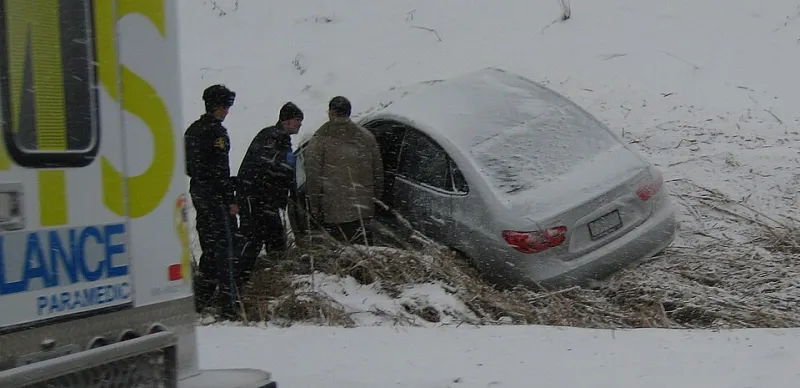
Photo: Theonlysilentbob, CC BY-SA 3.0, via Wikimedia Commons
Every winter, the internet produces another list of things you simply must keep in your car. Some of it is sensible. Some of it looks like it was written by someone selling solar-powered torch-radio combos. The useful question is not 'could this come in handy?' but 'would I actually use this, and is it worth carrying around all winter?'
At Grosvenor Garage, we see the results of both approaches: drivers with a sensible scraper and a decent torch, and drivers with a boot full of unopened gadget boxes, a rattling warning triangle and no working phone charger. So here is the blunt version for winter 2026.
Start with what the law actually asks for
In the UK, there is no legal requirement for a private car to carry a warning triangle, first aid kit, fire extinguisher or hi-vis vest. That does not mean they are pointless. It means you should not let a kit list guilt you into buying a load of stuff you will never touch.
What the law does require is that your car is roadworthy: lights working, tyres legal, brakes sound, screen wash topped up, and a clear view out. Those are not glovebox items. They are maintenance items. A warning triangle is worth having if you break down on a suitable road, but do not use one on a motorway. A hi-vis vest is cheap, takes up little space and makes you far easier to see at the side of a dark A-road. That is a fair trade.
Glovebox: the small stuff that earns its space
The glovebox should be for things you need quickly or things that disappear when you need them most. Keep it light.
A tyre pressure gauge is one of the most honest tools you can own. Forecourt gauges are often abused, and tyre pressures matter more in cold weather because pressures drop as temperatures fall. Check them monthly and before a long trip. A cheap pencil gauge is fine; a digital one is easier to read. Either beats guessing.
A torch is essential. Not the phone torch — a proper one you can hold in your teeth while you wrestle with a wheel nut. A small LED torch and spare batteries, or a rechargeable one you actually charge, will earn its keep.
A phone charger cable and a power bank are modern essentials. Cold weather drains batteries, and a dead phone at the side of the road turns a minor problem into a bigger one. Keep the cable in the car, not at home in a drawer.
A scraper and de-icer belong in the cabin, not the boot. If they are buried under shopping bags, you will use a credit card and regret it. A microfibre cloth for misted windows is also worth having.
A small first aid kit is sensible, especially if you regularly carry passengers or drive remote routes. It does not need to be a paramedic's bag. Plasters, wipes, gloves and a foil blanket cover most everyday scrapes.
Warning triangle: yes, with the motorway caveat. Hi-vis vest: yes, ideally one per occupant, stored in the cabin rather than the boot. If you have to get out on an unlit road, you want it within reach.
Boot: useful weight, not just weight
A shovel, a bag of grit or cat litter, and a tow rope are classic winter boot items. They are useful if you get stuck in snow or mud, but they are not much use in central London traffic. Be honest about where you drive. If you live on a hill or commute down rural lanes, they earn their place. If you mostly drive in town, a small folding shovel and a bag of grit are enough.
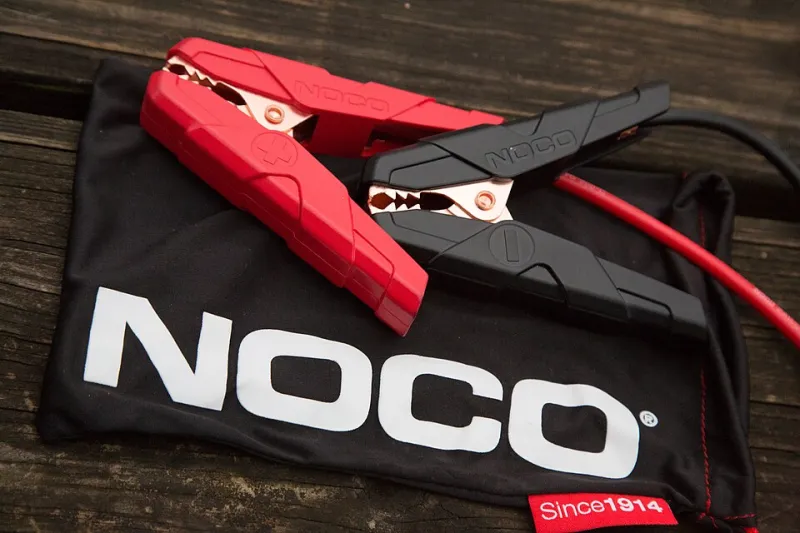
Jump leads are worth carrying if you know how to use them safely. So is a basic tool kit — but not a 200-piece set that rattles. A screwdriver, pliers, an adjustable spanner and a knife are usually enough for minor jobs. If you have an electric car or a car with a small 12V battery, check where the jump points are before you need them.
A blanket, warm layer, hat and gloves are cheap insurance. So is a bottle of water and a few snacks, though be sensible about using the car as a pantry. In cold weather, a foil blanket takes up almost no space and can make a big difference if you are waiting for recovery.
What is just clutter
Gadget multi-tools with 47 functions are usually worse than one good screwdriver. Solar chargers are slow and unreliable in a UK winter. Giant emergency kits with flares, axes and enough rope to rig a ship are not necessary for most drivers. A fire extinguisher sounds responsible, but most people never check it and it takes up space; if you carry one, know how to use it and check it.
Roof boxes and permanent boot clutter cost fuel. Extra weight and drag do not help economy. If you are carrying a bag of sand all winter 'just in case' and never leave tarmac, you are paying to haul it around.
The garage view
The best winter kit is the one you know how to use. A torch with dead batteries is clutter. A warning triangle you cannot reach is clutter. A tyre pressure gauge you never use is clutter.
Before you add anything to the car this winter, do the simple stuff: check your tyres, test your lights, top up screen wash with proper winter mix, and make sure your battery is healthy. At Grosvenor Garage, we would rather see a well-maintained car with a torch and a scraper than a showroom-perfect emergency kit bolted to a car with bald tyres.
Build a small kit you understand. Keep it in the same place. Check it once a month. That is the whole audit.