The Glovebox Audit: Which Car Papers Actually Earn Their Keep
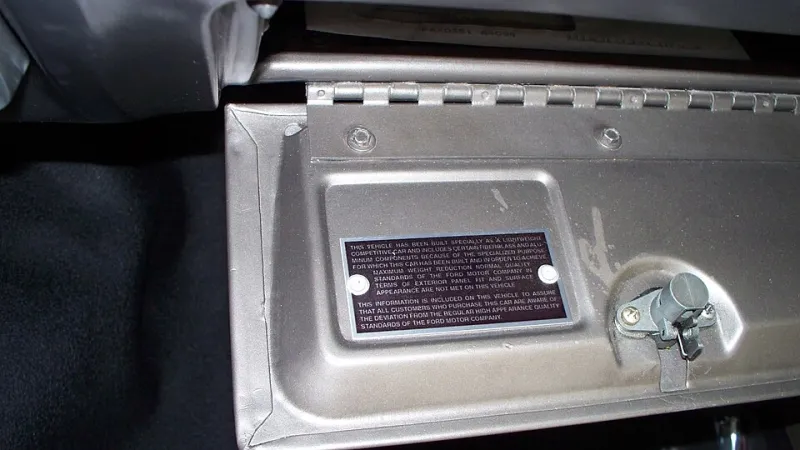
Photo: PMDrive1061, CC BY-SA 3.0, via Wikimedia Commons
Every so often, a driver opens the glovebox looking for the insurance certificate and finds something closer to a papier-mâché experiment. Old MOT slips, a tyre invoice from a garage that closed down, three dried-out pens and a warranty leaflet for a radio that is no longer in the car. It is easy to laugh off, but car paperwork has a habit of paying for itself at exactly the moment you need it — a warranty claim, a resale viewing or a disagreement over a repair bill.
The trick is not to keep everything. It is to keep the right things, in the right place, for the right amount of time. Think of this as a glovebox audit: a sensible clear-out with a bit of forward planning.
Start with the papers that can win an argument
Not all car paperwork is equal. Some of it is genuine evidence; some of it is just clutter with a logo on it.
MOT certificates. The current certificate is worth keeping, even though your MOT history is available online through DVSA. The paper copy is a quick reference for the expiry date and any advisories, and it can be useful when you sell the car. Keep the latest one with the service file rather than crammed into the glovebox. Older MOT certificates can usually go once you have checked the online record and saved a copy if you want it.
Service invoices. These are the most valuable papers you own. A stamped service book is nice, but an invoice is better: it shows the date, the mileage, the parts used, the oil specification and what was actually done. If a warranty provider asks whether the car was serviced to schedule, invoices are your proof. If a buyer asks whether the cambelt was changed, the invoice settles it. Keep service invoices for as long as you own the car, and pass them on when you sell.
Repair warranties. A warranty is only as good as the paperwork behind it. Keep the invoice for the repair and the warranty terms together. Check whether the warranty requires you to return to the same garage for future work, or whether it depends on you keeping up with servicing. Keep it until the warranty expires, then give it another few months before shredding — claims can sometimes surface just after the nominal end date.
Tyre receipts. These matter more than drivers expect. A receipt proves the date and mileage when a tyre was fitted, which helps with any premature wear claim, puncture repair or alignment issue. Keep tyre receipts for as long as those tyres are on the car. If you swap to a different set, you can let the old receipts go.
Finance or lease documents. If the car is on finance, PCP or lease, keep the agreement, settlement figures and any end-of-contract inspection reports. These documents protect you against unexpected mileage charges, damage disputes or confusion over ownership. Keep them until the agreement is settled and you have written confirmation that the finance is cleared.
The documents that should not live in the glovebox
A glovebox is a handy cupboard, not a safe. The V5C logbook should stay at home in a safe place, not in the car. The same goes for the main insurance certificate if you have a paper copy. If the car is stolen, you do not want the thief to have the logbook and your home address in the same package.
Keep a note of the insurer, policy number and breakdown cover in your phone or a slim wallet, but leave the originals at home. A photograph of the V5C reference number can be useful for online forms, but be careful where you store it. Cloud storage should be password-protected, and you should avoid emailing full documents to yourself on a whim.
What you can safely bin
This is the satisfying part. Old MOT certificates can go once the current one is in place and you have checked the online record. Old insurance certificates can go after renewal, provided you keep the current one. Expired warranties can go after a short grace period. Old tax discs are decorative history now. Leaflets, duplicate quotes you never accepted and receipts for screen wash are not going to save you money.
One caution: shred anything with your name, address, vehicle registration or finance details on it. A cheap cross-cut shredder is a worthwhile glovebox-audit tool. Do not simply put a finance agreement in the recycling bin and hope for the best.
A rough retention guide
| Paperwork | How long to keep it |
|---|---|
| Current MOT certificate | Until replaced; keep a digital copy |
| Service invoices | For as long as you own the car |
| Repair warranty and invoice | Until expiry, plus a few months |
| Tyre receipts | While those tyres are fitted |
| Finance or lease documents | Until settlement is confirmed |
| Old MOT certificates | Can be binned once checked online |
| Old insurance certificates | Bin after renewal |
This is a practical rule of thumb, not a legal rulebook. If you are in the middle of a dispute, keep everything related to it until it is fully resolved.
The five-minute digital backup
Before you file the paper, take photographs or scans. Use your phone camera or a scanning app, and create a folder called something obvious like Car Documents. Name each file with the date, mileage and type: 2026-03-14 MOT certificate 78,400 miles. That sounds fussy until you are searching for a warranty invoice in a hurry.
Back the folder up to a cloud account with two-step verification. If you are not comfortable with cloud storage, keep a copy on a home computer and a USB stick in a drawer. The point is to have a second copy that is not sitting in a damp glovebox.
A glovebox that actually works
Once the audit is done, the glovebox should be slim: maybe a microfibre cloth, a tyre pressure gauge, a phone cable and a small folder with a copy of the breakdown cover. The originals go into a labelled folder at home. The digital copies go into the cloud.
It is not the most exciting afternoon you will spend with your car. But when a garage asks for proof of servicing, a warranty provider wants the invoice, or a buyer wants to see the history, you will be glad you did it. Paperwork rarely feels urgent until it is the only thing standing between you and a bill you should not have to pay.